- Stryker Digital
- Posts
- Don't Leave Money on the Table – Google Ads Secrets Inside!
Don't Leave Money on the Table – Google Ads Secrets Inside!
Find out what your Google Ads are missing. Dive into exclusive strategies to get ahead of competitors and start turning clicks into customers.

Andy Walker
April 30, 2024

Slash Your Google Ads Cost & Improve Results
Welcome to The Home Service Marketer newsletter.
Today’s newsletter will cover how to save money with your Google Ads campaign.
Individualized ad groups
Negative keywords
Conversion tracking
It is approximately a 4-minute read.
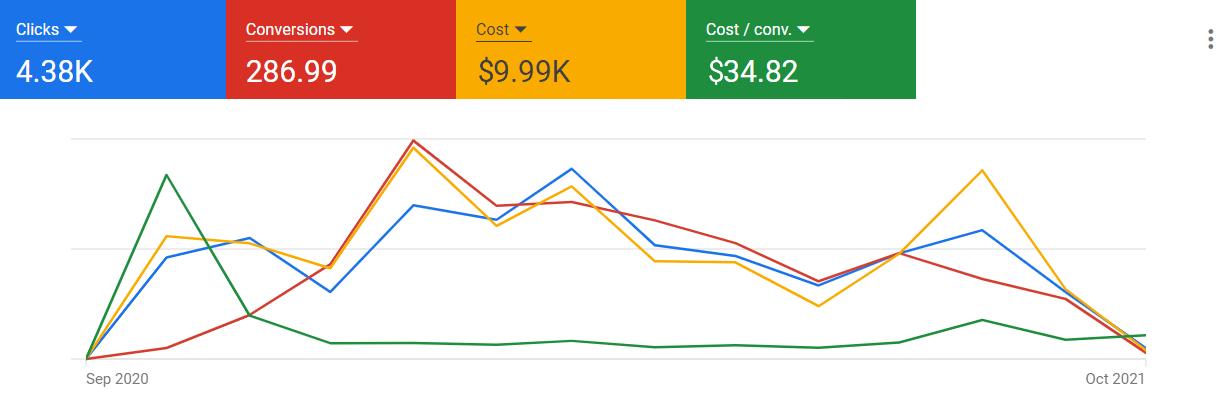
Maximize ROI with Smart Google Ads Tactics
What to do: Optimize your Google Ads campaigns by crafting individualized ad groups, utilizing negative keywords to avoid irrelevant clicks, and implementing precise conversion tracking.
Why you should do it: This approach ensures that your ads reach the right audience, prevents budget waste on non-converting clicks, and gives you tangible insights into your ad spend's effectiveness.
How to do it:
Segment your campaigns into individualized ad groups to target specific services you offer, allowing for more tailored ad copy and landing pages.
Add negative keywords to your campaign to filter out traffic unrelated to your services, ensuring your budget is spent on users with high intent.
Set up conversion tracking for your website actions, calls, and form submissions to measure what’s working and to optimize your bids and budget.
Links of the day:
Google Ads Playbook: (link)
Conversion Tracking: (link)
High Converting Landing Page: (link)
Deep Dive: Sharpening Your Google Ads Campaigns
Effective Google Ads campaigns are like well-oiled machines – they run smoothly and deliver the best results for your investment. The first cog in this machine is individualized ad groups. By segmenting your campaigns according to your specific services, you can create highly focused ad copy that speaks directly to the searchers' intent. Imagine a searcher looking for roof repair services; your ad group for roof repairs should have ad copy and landing pages that address this need specifically, differentiating from, say, window installation. This specificity improves the user experience by providing relevant information and increases the likelihood of clicks converting to customers.
Moving deeper into the strategy, negative keywords are your shield against wasted ad spend. By identifying and setting negative keywords, you're telling Google exactly what your services are not about, preventing your ads from appearing on irrelevant search queries. For example, if you offer cleaning services but not pool cleaning, adding "pool" as a negative keyword ensures that those searching for pool cleaning won’t click on your ads, saving you from paying for clicks that won’t convert.
Finally, the engine's diagnostic tool – conversion tracking – is vital. It’s not enough to spend on ads; you must understand how those ads translate into actionable customer engagements. Whether through website sign-ups, phone calls, or online quotes, tracking these conversions lets you see which ads and keywords are your top performers. Use this data to refine your bidding strategy, allocate more budget to successful campaigns, and improve the overall ROI of your advertising efforts. Conversion tracking is the feedback loop that informs you where to double down and where to pivot.
How I can help you:
You can also reply to this email.
I reply to absolutely everyone who replies to me.